Guides
Kyrgyzstan travel guides
Visas, seasons, roads, treks and what a trip actually involves — written by the people who run these trips.
Guides
Planning a trip
Visas, border permits and entry to Kyrgyzstan
How entry works in practice: the three visa categories, what the border asks for, the registration rule for long stays, and the permits a visa does not cover.
The best time to visit Kyrgyzstan, month by month
The mountain season is short and the calendar is set by passes rather than by weather, so here is what is open, what is shut and what is worth the trip in each month.
Getting around Kyrgyzstan: roads, drivers and 4x4s
Distances are short and journeys are long: how the roads work, when a 4x4 is not optional, what marshrutkas are good for, and how much ground to plan for in a day.
Money, SIM cards and staying online in Kyrgyzstan
Cash rules outside the cities and the signal stops where the tarmac does: how to carry money, where to draw it, which SIM to buy and how to stay charged.
What a trip to Kyrgyzstan costs
The price of a trip here is set by a handful of things: how many of you share the car, how far and on what surface you drive, the standard of the beds, and whether a trek needs horses.
What to pack for Kyrgyzstan
Kyrgyzstan asks you to dress for a 30-degree afternoon in the Fergana valley and a night close to freezing at 3,000 m, often in the same week.
Safety, health and altitude in Kyrgyzstan
A calm look at what actually goes wrong in Kyrgyzstan: thin air above 3,000 m, mountain weather, rough roads and river fords, and the border zones where a permit is compulsory.
Kyrgyz food and how to be a good guest
What Kyrgyz kitchens actually serve, what to expect if you avoid pork or meat altogether, and how to behave as a guest in a family home, a yurt or at a sacred site.
Guides
On the ground
Trekking in Kyrgyzstan: routes, seasons and altitude
Trekking in Kyrgyzstan, from a level river path in Ala-Archa to the pass above Ala-Kul at nearly 4,000 m: which routes suit which level, when the snow clears, and what the nights ask of you.
Horse riding in Kyrgyzstan: rides, seasons and skills
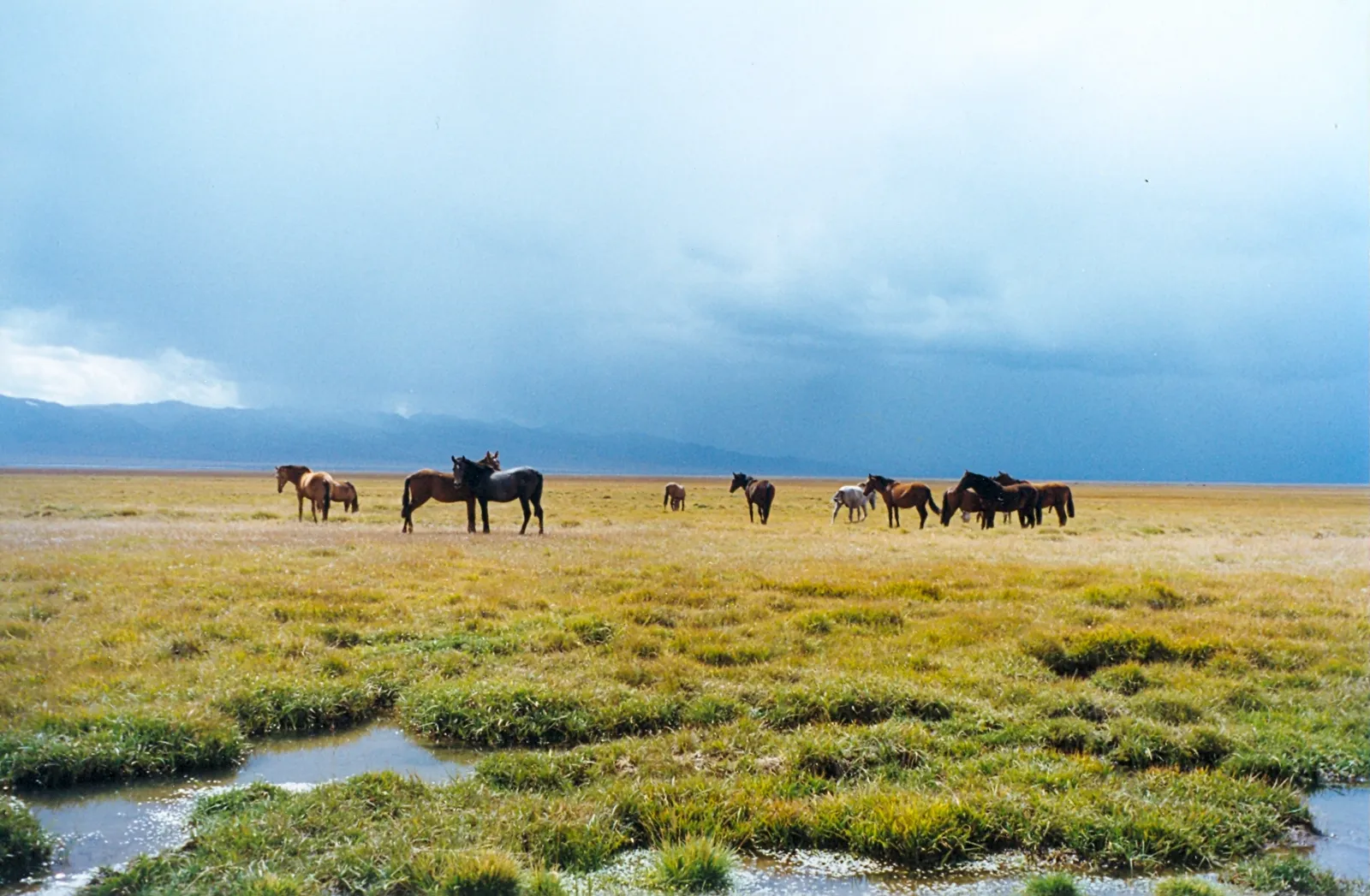
Horse riding in Kyrgyzstan, from an hour with a herder at Song-Kul to a three-day crossing in the walnut forest: what the horses are like, what riders need, and when the pastures open.
Staying in a yurt in Kyrgyzstan: what it is really like
What a night in a Kyrgyz yurt camp actually involves: felt walls and floor mattresses, no mains power, an outdoor toilet, freezing nights at 3,000 m and a herding family cooking next door.
Kyrgyzstan in winter: what is open and where to ski
Kyrgyzstan in winter: what closes from October, where the backcountry skiing is, why Issyk-Kul never freezes, and which passes stay open once the yurt camps have come down.
Guides
Regions and routes
One week in Kyrgyzstan: what fits
Seven days covers the eastern end of Issyk-Kul, one high day on foot, the quiet southern shore and two nights in a yurt camp on Song-Kul, and trying to add the south turns it into a driving holiday.
Ten days in Kyrgyzstan: north and centre
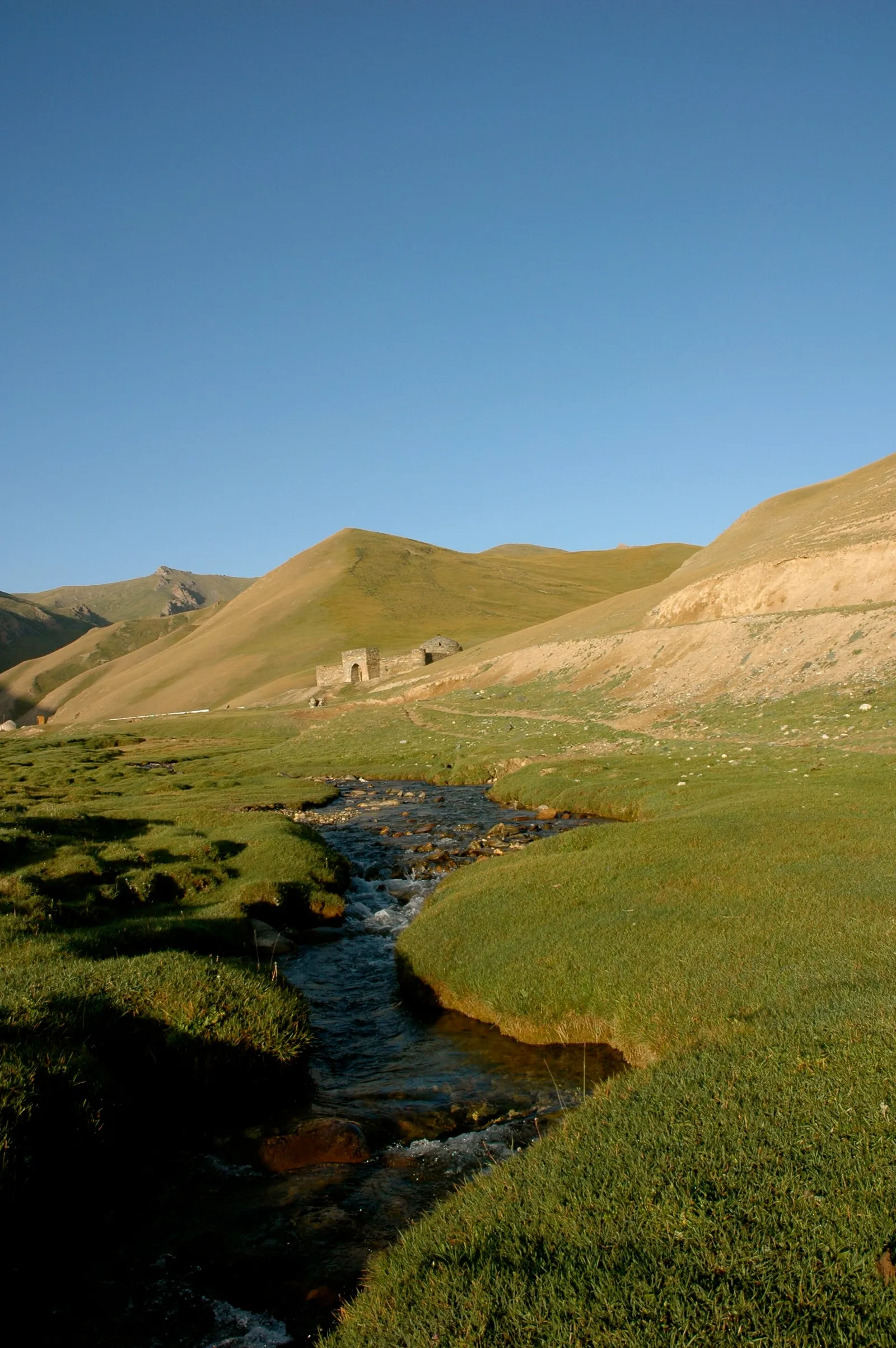
Ten days is where the country stops being a lake trip: the extra days buy the pastures of Song-Kul, the Naryn valley and the caravanserai at Tash-Rabat, with Issyk-Kul as the second half.
Two weeks in Kyrgyzstan: the whole country
A fortnight either covers the north without rushing anything, or splits into eight or nine days in the north and a flight south to Osh, the Alay valley and the walnut forest of Arslanbob.
Your route is one conversation away
Tell us your dates, your pace and what you would like to see. We will put together a route from our own suppliers.