Guides
Kyrgyz food and how to be a good guest
What Kyrgyz kitchens actually serve, what to expect if you avoid pork or meat altogether, and how to behave as a guest in a family home, a yurt or at a sacred site.
Kyrgyz cooking comes out of herding country: mutton, beef and horse, bread, dairy and whatever a valley grows. In the south, around Osh, it meets Uzbek cooking and turns to rice, tandyr bread and fruit.
What people eat
- Plov: rice cooked down with mutton, yellow carrot and onion.
- Lagman: hand-pulled noodles with a stew of meat, peppers and tomato.
- Beshbarmak: boiled meat with sheets of pasta and onion broth, the guest dish.
- Shorpo and manty: clear mutton soup, and steamed dumplings of meat or pumpkin.
- Samsa and boorsok: pastry parcels from a clay oven, and fried dough with tea.
Kymyz, fermented mare's milk, is drunk on the pastures and sold from roadside yurts in Suusamyr: sour, faintly fizzy, mildly alcoholic. At Song-Kul camps make it and bake bread daily.
Regional specialities
Karakol is the food town. Its Dungan community, Muslim Chinese who settled here in the 19th century, cooks unlike the rest of the country: ashlan-fu, cold noodles in a sour broth, is the town dish, and families cook dinners for visitors at home. Uzgen grows the devzira rice behind southern plov, and Arslanbob presses walnut oil.
Pork, horse and vegetarian food
Kyrgyzstan is a majority Muslim country and pork is not part of the local kitchen: meat means mutton, beef, horse and chicken, and pork appears only in Russian and continental dishes on city menus. Horse is the centrepiece of beshbarmak.
Vegetarians eat well in Bishkek and Osh and have a thinner time in the mountains. A yurt camp cooks one pot for everyone, so the request must travel ahead of you: tell whoever books your yurt stays days before. Expect potato, rice, pasta, salad, bread, jam, eggs and dairy; noodle and dumpling dishes start from meat broth.
Being a guest in a house or a yurt
Hospitality here is an obligation rather than a service habit, and you will be fed more than you want. Refusing outright is awkward in a way that taking a little is not.
- Take your shoes off at the door of a house or a yurt, and step over a yurt threshold, never on it.
- The far side of the room, opposite the door, is for guests and elders, so wait to be shown a seat.
- Tear bread rather than cutting it, and never leave a piece face down or throw it away.
- Tea comes in a small bowl filled part way and topped up often: the custom, not meanness.
- Give and receive a bowl or a gift with the right hand.
Money is settled through whoever arranged the stay rather than pressed on a host at the door, which is how community tourism networks in Kochkor and Jyrgalan work; on our tours, ask how it is handled. A small gift of tea or fruit is welcome, never expected.
Photographs, mosques and sacred places
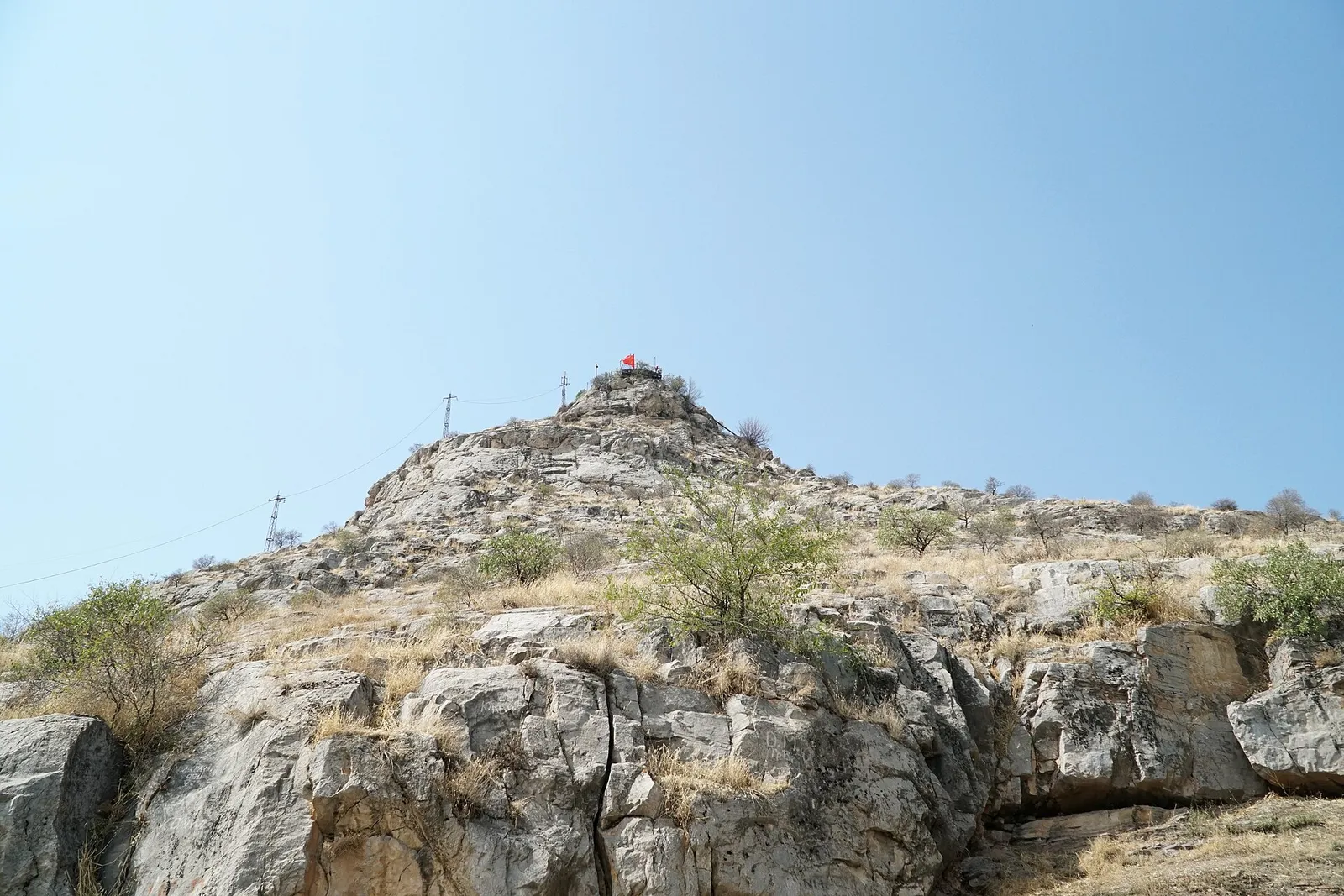
Ask before photographing people and take a refusal without argument: traders often agree, older people and women in villages less so. At Manas Ordo and on Sulaiman-Too, families are praying, so put the camera down. Drones are unwelcome over villages and sacred hills.
Islam here is relaxed, layered over older practices. You will pass mazars, sacred springs, graves and trees hung with cloth strips tied by visitors: walk around them, untie nothing and leave no litter. At working mosques, take off your shoes, cover shoulders and knees, women cover their hair, and ask before going in.
Alcohol, and the shape of an evening
Vodka, brandy and beer are sold openly and a toast at a family table is normal in plenty of households. Others keep a dry house, and observant families do not drink at all, so take the lead from your hosts rather than turning up with a bottle. Toasts are made in turn; declining once is enough and nobody minds. Do not drink at mazars, at Manas Ordo or on Sulaiman-Too. For a route around them, start with one week in Kyrgyzstan.
Good to know
Questions travellers ask
- What should I eat in Kyrgyzstan?
- Start with plov in the south, made with devzira rice from Uzgen, mutton and yellow carrot. Then lagman, hand-pulled noodles with a meat and pepper stew; shorpo, a clear mutton soup; manty, steamed dumplings; and samsa baked in a clay oven. In Karakol try ashlan-fu, the cold sour noodle dish of the Dungan community. Boorsok, squares of fried dough, comes with tea everywhere.
- Is Kyrgyzstan difficult for vegetarians?
- In Bishkek and Osh it is easy enough, with dedicated cafes and Middle Eastern places. In the mountains it takes warning: yurt camps cook one pot for everyone, so ask several days ahead rather than at dinner. Expect potato, rice, pasta, salads, bread, jam, eggs and dairy. Noodle and dumpling dishes usually use meat broth even when the filling looks vegetable, so ask specifically.
- Will I be served pork?
- Almost certainly not. Kyrgyzstan is a majority Muslim country and pork is not part of the local kitchen; meat means mutton, beef, horse and chicken. Pork appears only in Russian and continental dishes on city menus, where it is listed by name. Horse meat, by contrast, is common and is the centrepiece of beshbarmak and of chuchuk sausage, which is worth knowing in advance.
- What are the rules in a yurt or a family home?
- Take your shoes off at the door, step over the threshold rather than on it, and wait to be shown a seat, since the far side opposite the door is for guests and elders. Treat bread carefully: tear it, do not place it face down, do not throw it away. Tea comes in a small bowl topped up often, which is the custom rather than meanness.
- Can I take photographs of people?
- Ask first and accept a no. Traders at a bazaar often agree, especially after a purchase or a short conversation, while older people and women in villages are more likely to decline. Do not photograph people praying at Sulaiman-Too or at the Manas Ordo mausoleum, or inside a mosque during prayers. Drones are unwelcome over villages, summer camps and sacred hills.
- Is alcohol available, and should I bring some to a home?
- Vodka, brandy and beer are sold openly and a toast at a family table is common in many households, but others keep a dry house and observant families do not drink at all. Take your lead from your hosts rather than arriving with a bottle. Declining once is enough and causes no offence. Do not drink at mazars, at Manas Ordo or on Sulaiman-Too.
Guides
Read next
Visas, border permits and entry to Kyrgyzstan
How entry works in practice: the three visa categories, what the border asks for, the registration rule for long stays, and the permits a visa does not cover.
The best time to visit Kyrgyzstan, month by month
The mountain season is short and the calendar is set by passes rather than by weather, so here is what is open, what is shut and what is worth the trip in each month.
Getting around Kyrgyzstan: roads, drivers and 4x4s
Distances are short and journeys are long: how the roads work, when a 4x4 is not optional, what marshrutkas are good for, and how much ground to plan for in a day.
Your route is one conversation away
Tell us your dates, your pace and what you would like to see. We will put together a route from our own suppliers.